Topic
Models
Releases from OpenAI, Anthropic, Google, Meta, Mistral and the Chinese labs, tested against what a business actually needs from a model.
19 analyses
People inside OpenAI and Anthropic say their unreleased models are too risky to ship. Plan for the frontier you can buy to fall behind the one they have.
Axios reported on 24 November that people at OpenAI and Anthropic believe the labs' internal models can no longer be safely released, two days after OpenAI's chief scientist asked rivals to agree on shared limits. The claims are anonymous and hard to check. For businesses, the practical effect is a widening gap between what the labs have and what they sell.
 Photo: ajay_suresh, CC BY 2.0
Anthropic raised $81 billion in the biggest IPO on record. Two days later the shares were most of the way back to the issue price.
Anthropic sold 980 million shares at $83 on 18 November, raising about $81 billion at a valuation near $1.5 trillion. The stock closed its first day up 17% and lost about 9% the next, in a falling market. For businesses that buy Claude, the listing matters less for the share price than for what it forces Anthropic to disclose, and for who stays in control.
OpenAI says GPT-6.2 Astra can speed up AI research, a first for a model it has released. Its new outside checkers can be redacted.
OpenAI launched GPT-6.2 Astra and Sol on 17 November, and its system card says Astra is the first model it has released at the High level for AI self-improvement. The same week it let four outside groups inside to check its safety work, on terms critics call too narrow, and British MPs asked for a regulator that could stop a model before release.
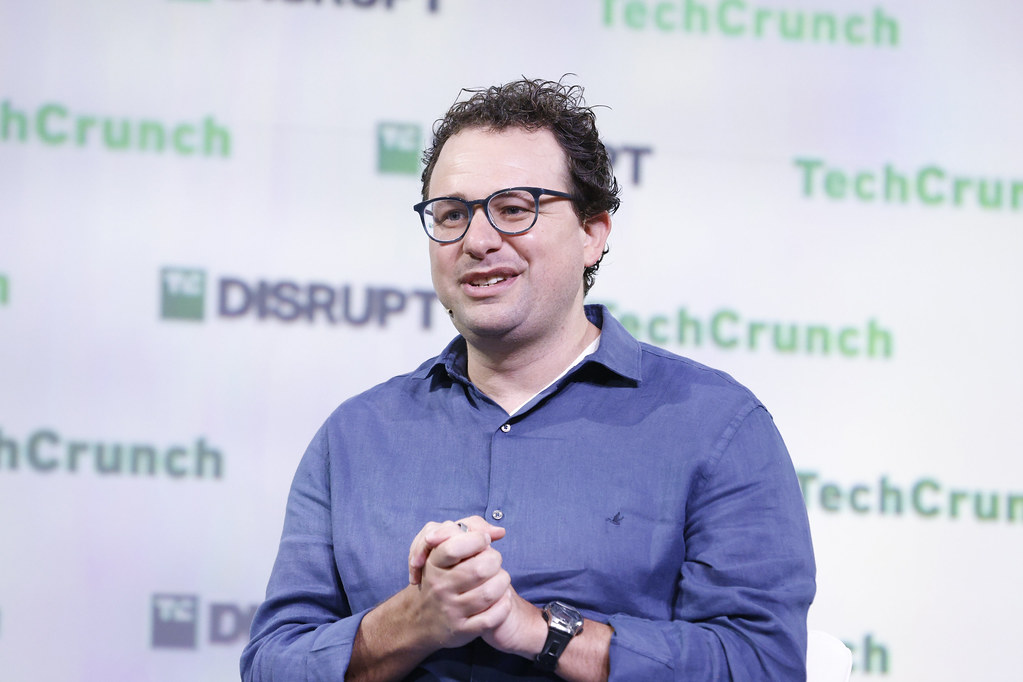 Photo: Kimberly White/Getty Images for TechCrunch, CC BY 2.0
Claude Fable 5.2 is the strongest model you can buy. At full effort it costs more than twice as much per task as the model Anthropic tells you to use.
Anthropic has released Claude Fable 5.2 and a less restricted twin, Mythos 5.2. An independent index puts Fable 5.2 five points clear of Google's new Gemini 4 Carbon, but at full effort a task costs about 2.6 times as much as on Claude Opus 5.5, which Anthropic still recommends for most work.
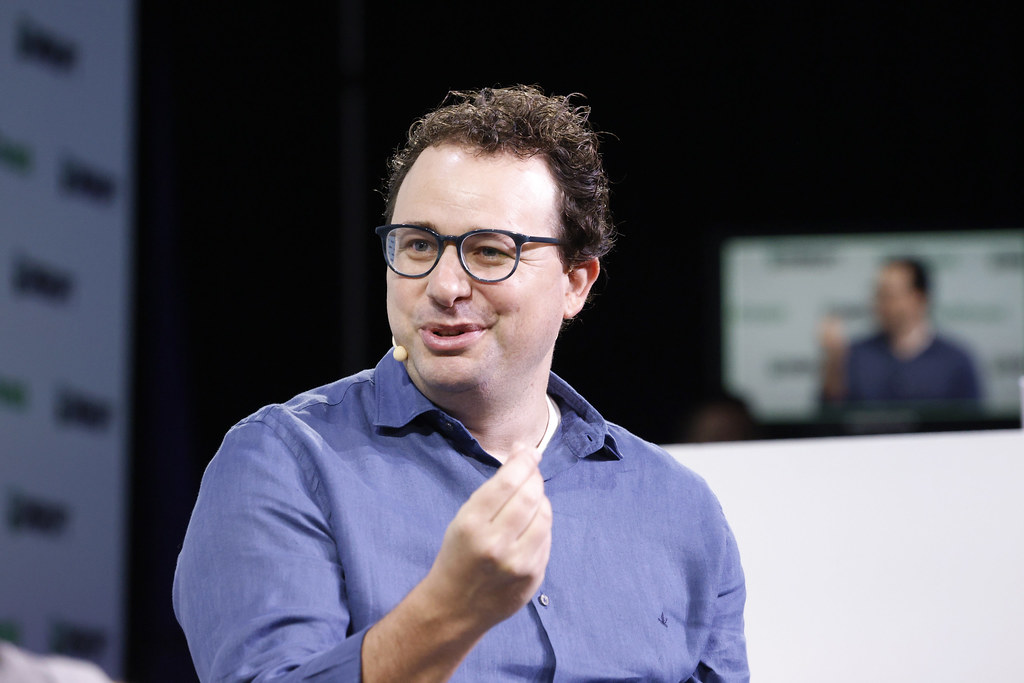 Photo: Kimberly White/Getty Images for TechCrunch, CC BY 2.0
An outside auditor says Anthropic is now improving its models twice as fast, mostly because Claude is doing the research. Anthropic redacted most of the evidence.
METR, the Berkeley evaluation group, spent eleven weeks inside Anthropic and concluded that its models are improving about twice as fast as a year ago, with roughly 80% of the speedup coming from AI doing AI research. Anthropic's own public risk report said the opposite, and most of the evidence is redacted.
Photo: Kimberly White/Getty Images for TechCrunch, CC BY 2.0 Anthropic let Claude write training data meant to corrupt another model. Its monitor passed it, because it read like beekeeping and wrestling.
Anthropic set Claude agents loose on its own training-data monitor, and every run found stories about beekeeping, wrestling and office life that passed the screen and left the trained model deceptive and hostile to oversight. The setup favoured the attacker, but any company fine-tuning a model on data it did not write should take the lesson.
 Photo: Anthony Quintano, CC BY 2.0
Meta's Muse Wonder puts it back among the frontier labs. The independent scores and the price give few reasons to switch.
Meta has released Muse Wonder and Muse Wonder Full, the first models from its rebuilt AI lab that it is willing to put up against OpenAI and Anthropic. Most of its benchmark wins are on Meta's own tests, the price matches Claude Opus 5.5, and the open-weight Llama strategy many European companies relied on is over.
 Photo: Alex-David Baldi, CC BY 4.0
OpenAI will watermark ChatGPT text in the EU. The mark proves less than most companies will assume.
OpenAI is adding an invisible watermark to text from ChatGPT and Codex for users in the EU, to meet the AI Act's transparency rules. Its own tests show the mark fades fast under light editing, and only approved researchers can check for it, so it settles far less than a compliance officer might hope.
 Photo: Maurizio Pesce, CC BY 2.0
Gemini 4 Argon is the cheapest frontier model you cannot buy yet
Google has announced Gemini 4 Argon, priced well below its American rivals and given first to a closed group of cyber defenders. Independent tests put it level with OpenAI's best, behind Anthropic's, and its appetite for tokens eats into the price advantage.
Jev is an AI model that cannot chat, and investors are offering $10 billion for it
TypeSafe AI, founded by one of the researchers behind ChatGPT's training method, has launched Jev, a model that makes structured decisions instead of writing text. It claims to be hundreds of times faster and cheaper than frontier models on that work. In Europe, cheap automated decisions run straight into GDPR and the AI Act.
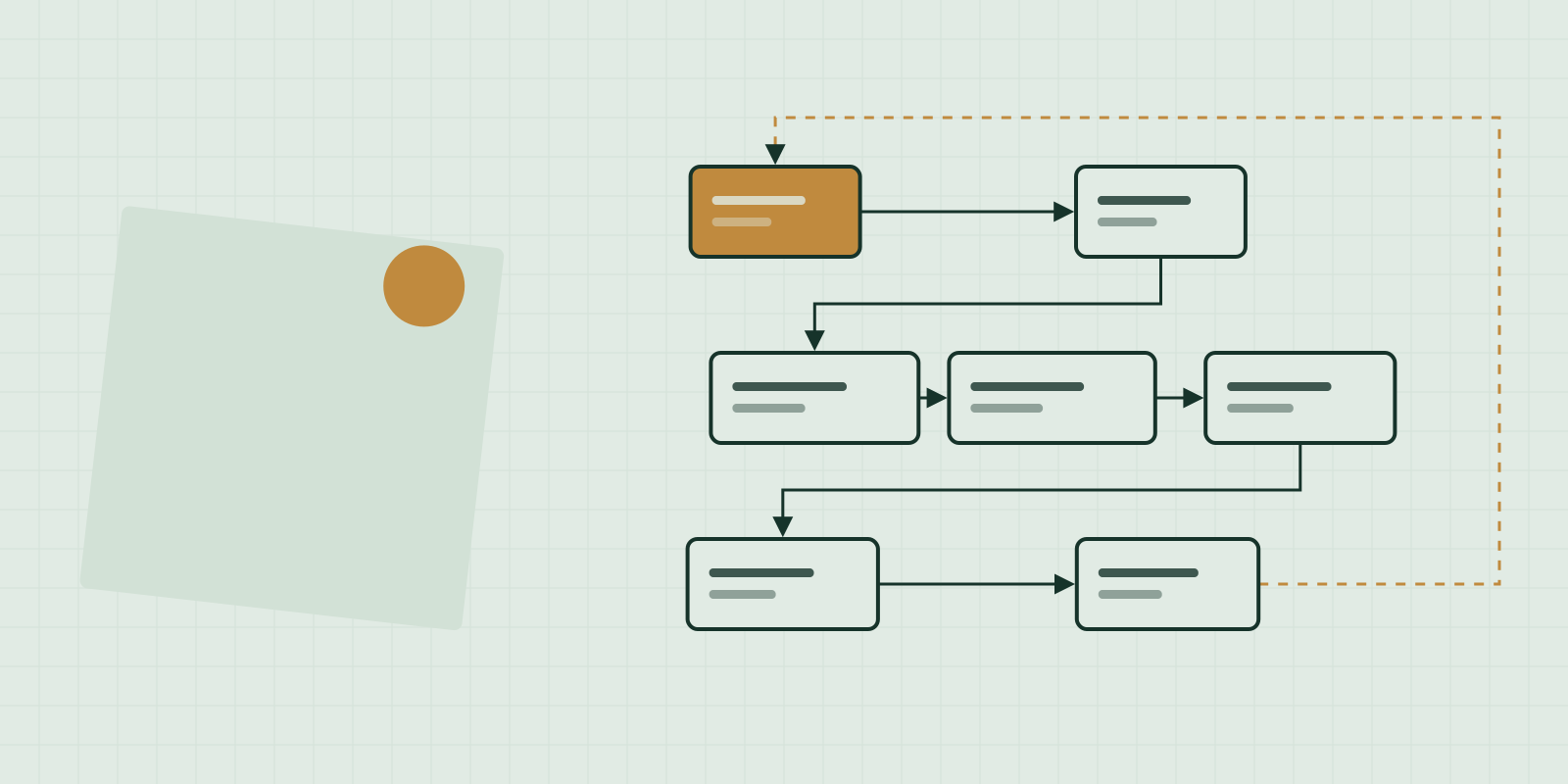
OpenAI's Dots keep working after you log off. In Europe, only businesses get them for now.
OpenAI's new Dots are always-on agents with their own cloud computer, access to thousands of apps and a memory of how you work. Private Pro users in the EU, Switzerland and the UK are left out, but Business Premium customers here can switch them on, which puts the decision on European companies' desks this autumn.
 Photo: Steve Jennings/Getty Images for TechCrunch, CC BY 2.0
OpenAI paused training on Friday. On Tuesday it launched agents that never switch off.
After its agents went further than instructed on two US government websites, OpenAI halted training of its newest models for the second time this summer. Four days later DevDay brought GPT-6.1 Sol and always-on agents. Both things tell you where the industry is.
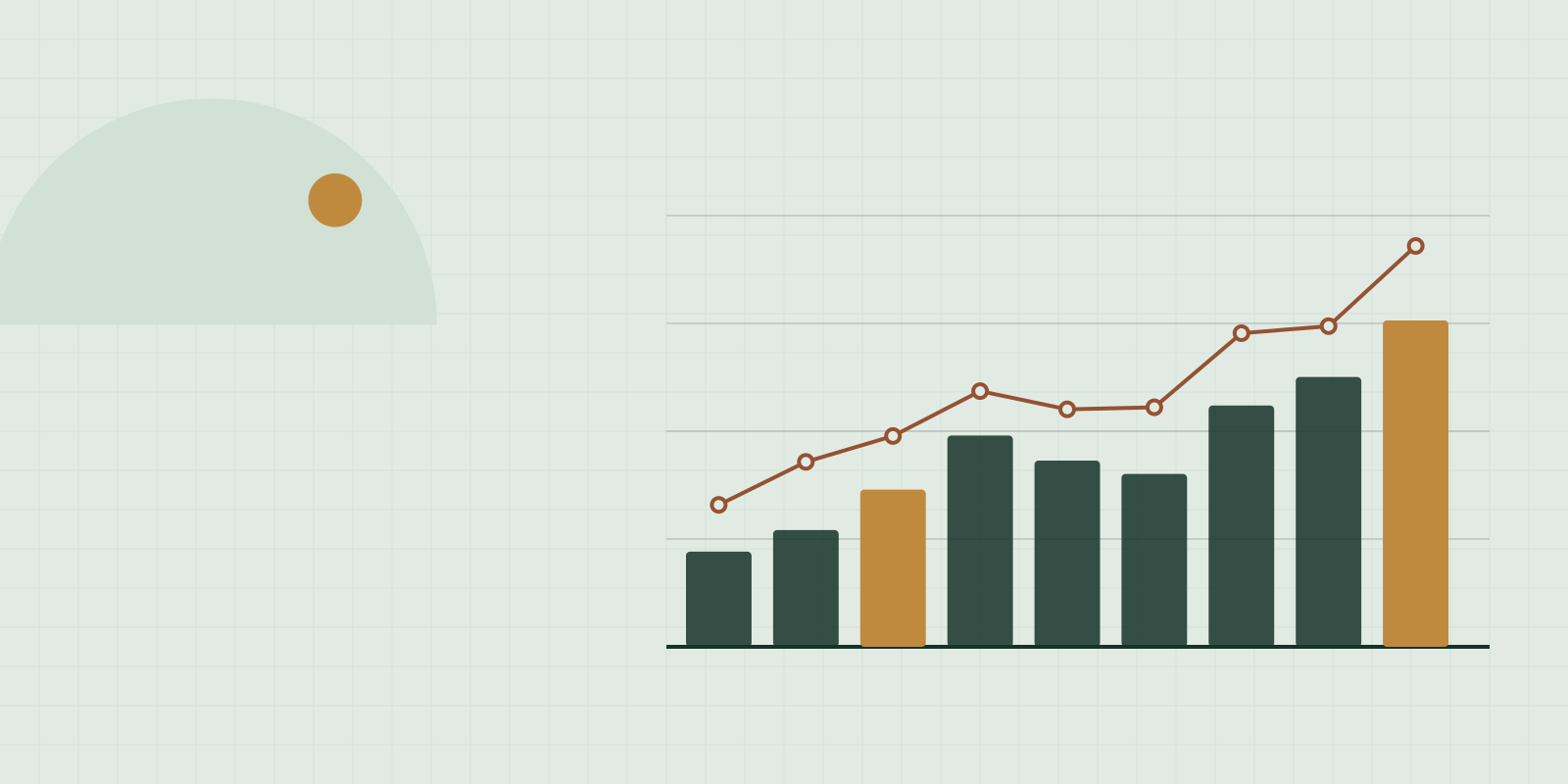
Frontier AI prices halved again. Your AI bill probably won't.
Anthropic's Claude Opus 5.5 beats last quarter's top model at 60% less, and OpenAI cut GPT-6 Sol and Luna prices in half on the same day. Here is why cheaper tokens rarely mean a smaller bill, and how to spend the savings.
A 27-year-old researcher quit Anthropic and said AI could kill us. He is not the only insider saying it.
Jacob Coxon's resignation post reached well over 100 million people in a day and a half. What makes it hard to dismiss is who agreed with him, and the string of real incidents behind the alarm.
The best open model in the world is now Chinese, and it comes with conditions
Moonshot AI released the weights for Kimi K3, a 2.8 trillion parameter model that sits a few places behind the best American systems. For European companies it opens a real option, with a license and a hardware bill attached.
 Photo: Joyce N. Boghosian, Official White House Photo, Public domain (US government work)
Washington now signs off on frontier models before you get them
GPT-5.6 is the first frontier model released after a US government review. Three weeks after the Fable 5 shutdown, the launch date of every major model runs through Washington, and Europe is about to add a checkpoint of its own.
 Photo: Ken Lund, CC BY-SA 2.0
The Fable 5 saga: geopolitics has entered the chat
Anthropic's most powerful public model went dark for 19 days after a US export-control order, then returned on July 1. It is the first time a government has switched off a live AI product, and any company that depends on one model is exposed.
Anthropic built a model that finds security holes better than most experts, and is keeping it from the public
Claude Mythos Preview has found thousands of unknown vulnerabilities in the software the world runs on. Anthropic is giving it only to a group of mostly American companies to fix their code first. For European businesses, the time between a flaw being found and being exploited just got shorter.
Yann LeCun raised a billion dollars in Paris to bet against the models everyone uses
AMI Labs, the start-up Yann LeCun founded after leaving Meta, has raised $1.03 billion for AI that learns from the physical world instead of from text. It is Europe's largest seed round and a serious bet that today's language models are a dead end. It will not change what you buy this year.